
ADUs vs SDUs in Ottawa: Understand the Difference
Adding a secondary dwelling unit to your property can change how you live. It could give adult children their own independent living space, create a garden suite for aging parents, or become a source of extra rental income.
But it’s not just a matter of building. With so many rules, costs, and decisions that can affect your main house, parking spaces, and long-term property value, you’ll need to understand the entire process in Ottawa so your project works for your family, fits your lot, and meets city requirements.
What’s the Difference?
Adding an accessory dwelling unit isn’t just about extra space. For many people, it’s a way to create steady rental income, support multi generational living, or increase long-term value.
Accessory (or additional) dwelling units (ADUs) are usually detached units, like a backyard coach house or a small laneway home. They have their own separate building, kitchen, bathroom, and sometimes independent utility connections. ADUs give you a fully private living space for family members, tenants, or even short-term rentals.
Secondary dwelling units (SDUs), on the other hand, are part of your existing home. Think basement apartments, in-law suites, or ground-floor conversions. They share the primary dwelling’s structure, though they still need to meet Ontario Building Code standards for fire safety, egress windows, and separate sleeping areas.
Both ADUs and SDUs can generate rental income, support multi-generational living, and increase your property’s long-term value. The choice depends on your property’s potential, budget, and lifestyle goals.
What Drives the Cost?
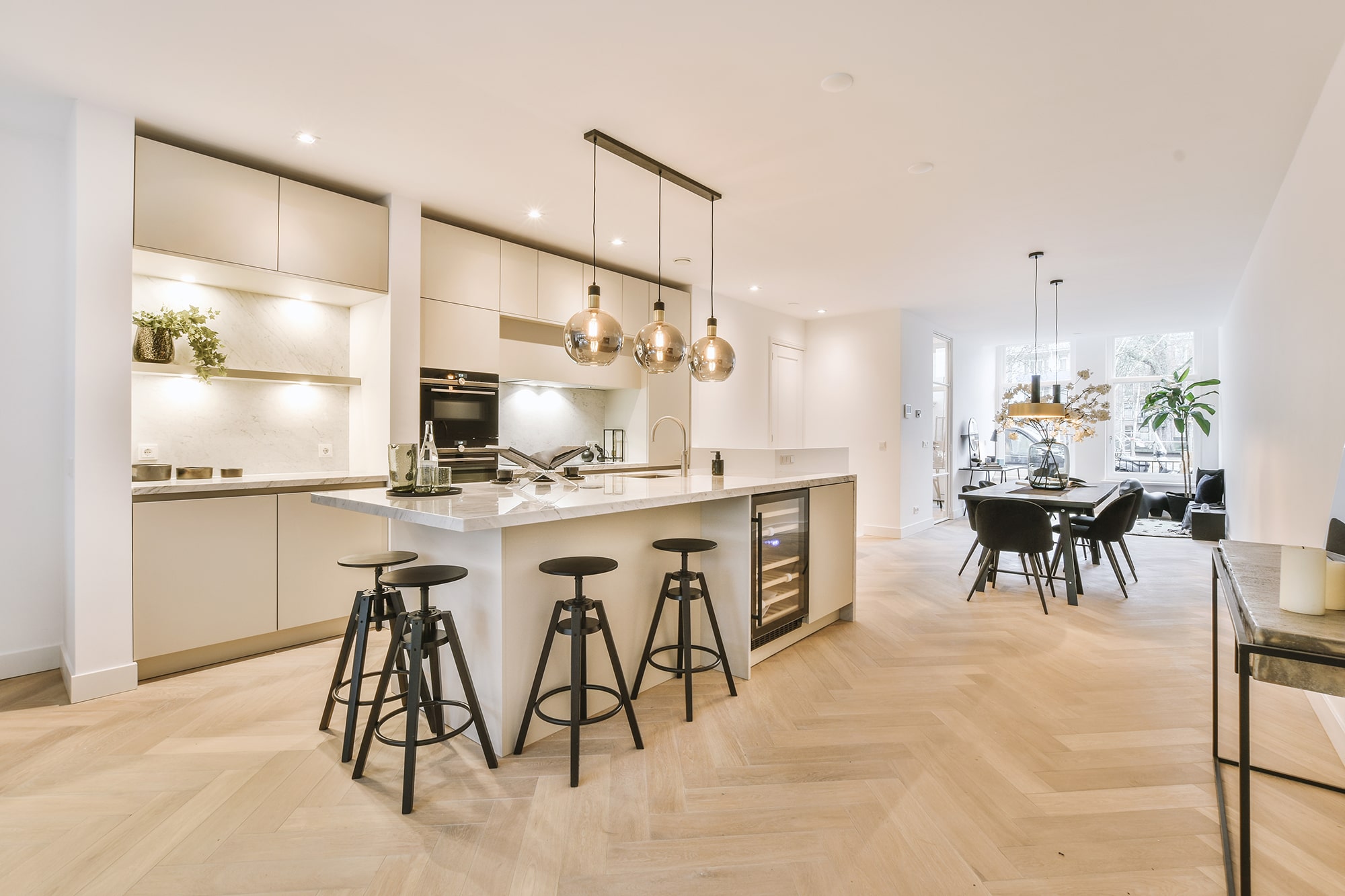
Costs aren’t always predictable, but three main factors usually make the biggest difference:
Size and layout: The bigger the unit, the more square footage, materials, and labour are required. This is often the single biggest cost driver.
Finishes and materials: Standard finishes keep costs lower. Upgrades like hardwood floors, quartz counters, or custom cabinetry increase your final price.
Site conditions and infrastructure: For ADUs, things like grading, foundations, and utility hookups (water, sewer, electricity) can shoot up costs. Even SDUs may need mechanical upgrades, plumbing systems, or HVAC improvements.
Typical Budget Ranges in Ottawa
Small ADU/SDU (~400–500 sq ft): $150,000 – $200,000
Mid-sized (~600–750 sq ft): $250,000 – $300,000
Larger or high-end (~750–1,000+ sq ft): $350,000 – $500,000+
Most projects fall between $150,000–$350,000, depending on size, finishes, and site complexity.
Hidden Costs to Watch For

Homeowners often underestimate the costs for:
Site prep and grading
Utility connections
Permit and municipal fees
Architectural drawings and engineering
Mechanical systems and HVAC upgrades
Driveways, landscaping, and access paths
These can easily add $10,000–$50,000+, depending on the property.
Getting Ready for a Quote
Before you talk to an Ottawa general contractor, gather:
Property address and lot details
Photos of your backyard or existing structure
Survey or site plan
Desired size and layout
Access info (driveway, backyard entry)
Budget goals (rental, family suite, investment)
Any existing drawings or concept plans
That way, the contractor can figure out zoning requirements, property eligibility, and the approval process, which are key to getting an accurate final cost.
Common Planning Mistakes

A little prep goes a long way. Homeowners often:
Start designing before checking zoning bylaws or parking requirements.
Underestimate costs for permits, mechanical upgrades, or site prep.
Forget to plan for separate entrances, sleeping areas, and safety standards.
Working with a pro early can help you avoid surprises and make sure your ADU or SDU meets all building codes and safety standards.
Greenlight Renovation Is Your Partner for Safe, Code-Compliant Units
Adding a secondary dwelling unit or accessory dwelling unit on your same property can give you more housing options, a place for extended family, or even extra income from rental units. Basement suite or laneway house, all the moving parts, like permitting, site visits, additional parking spaces, and construction matter.
Our team at Greenlight Renovation can help you plan and build units that fit your home, follow the rules, and make the most of your property in the Ottawa area. Let’s take the first step together. Contact us today!FAQs
A self-contained residential unit is a fully separate secondary unit with its own kitchen, bathroom, and sleeping areas. It can be a basement unit, laneway house, or part of a semi-detached property.
Before building, you’ll need a permit application from the city. The permitting process ensures your additional unit meets all building codes, environmental impact rules, and front yard or parking requirements.
Yes! A well-planned additional living space or basement unit can boost your property’s value and generate additional income, while helping address housing shortages in Ottawa.
Yes, each property has maximum size restrictions and limits on additional units. Rules vary depending on zoning, whether it’s a semi-detached lot, and whether public transit or parking spaces are involved.
Absolutely. Basement units are common, but they still need to be compliant with fire, egress, and building code requirements.
Some ADUs or additional units may need new parking spaces depending on your lot and zoning rules. City planners review this as part of the permit application to make sure everything stays compliant.
Projects should consider environmental impact, like site work, utilities, and green space. Planning carefully helps you balance additional living spaces with your front yard and neighbourhood.