
Ottawa’s New Zoning By-Laws: What You Need to Know
Ottawa is making big changes with its new zoning by-law, and homeowners are starting to notice the opportunities. For anyone thinking about turning a single-family home into a multiplex, these updates can (quite literally) open doors to more housing options, increase the value of your property, and support gentle density in low-rise residential areas.
Here’s what you should know before exploring a conversion project.
Why Converting to a Multiplex Can Be Worth It
Turning a home into a triplex, fourplex, or small multiplex can offer several financial advantages.
Higher total property value
A single-family home produces one sale, while a multiplex can generate multiple units that are sold or rented individually. In many cases, the combined value of several units exceeds the original home’s worth, especially in areas where there’s a strong demand for middle housing.
Multiple income streams
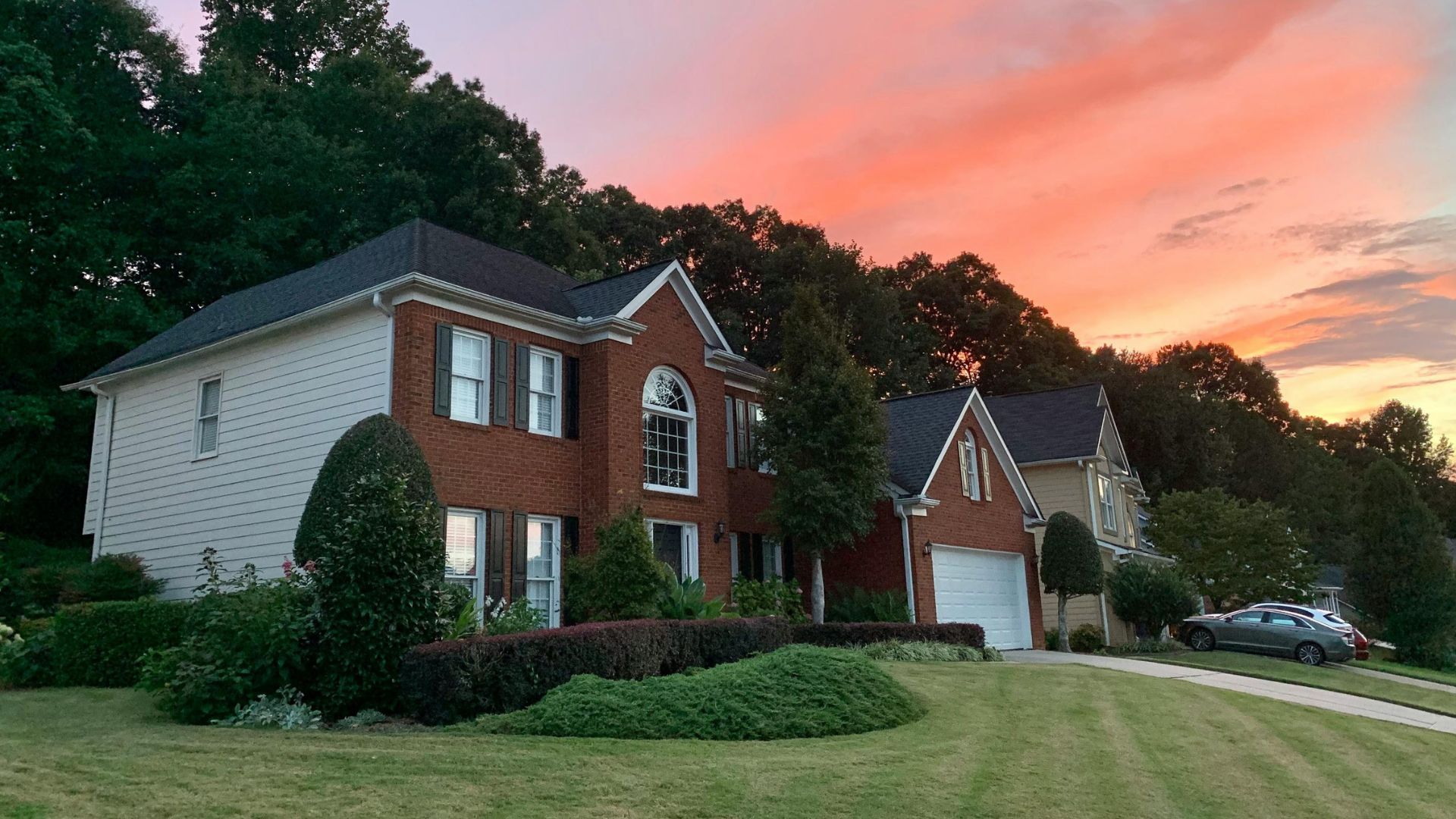
Instead of relying only on appreciation, multiple units create several rental streams. Owners can earn ongoing income or sell finished units individually, making the property more versatile as an investment.
Adding Value Through Density
Older homes in existing neighbourhoods often sit on valuable lots that can now support more housing. The new zoning bylaw and neighbourhood zoning rules let owners capture the development potential of their land.
Why Now Is a Better Time Than Waiting
Timing is key. Recent changes from the Ottawa City Council, including updates in the final draft of the new zoning by-law, make development easier and cheaper:
Many residential lots now allow additional units as-of-right.
Development charges for small projects were reduced or removed, lowering upfront costs.
Some planning steps, like site-plan control, no longer apply to smaller buildings under ten units.
With these changes, early projects can capture value before the market fully adjusts. For homeowners in older suburbs, low-rise neighbourhoods, and near transit, this is a unique window to add more housing without the lengthy approvals of the past.
Ottawa Properties That Benefit the Most
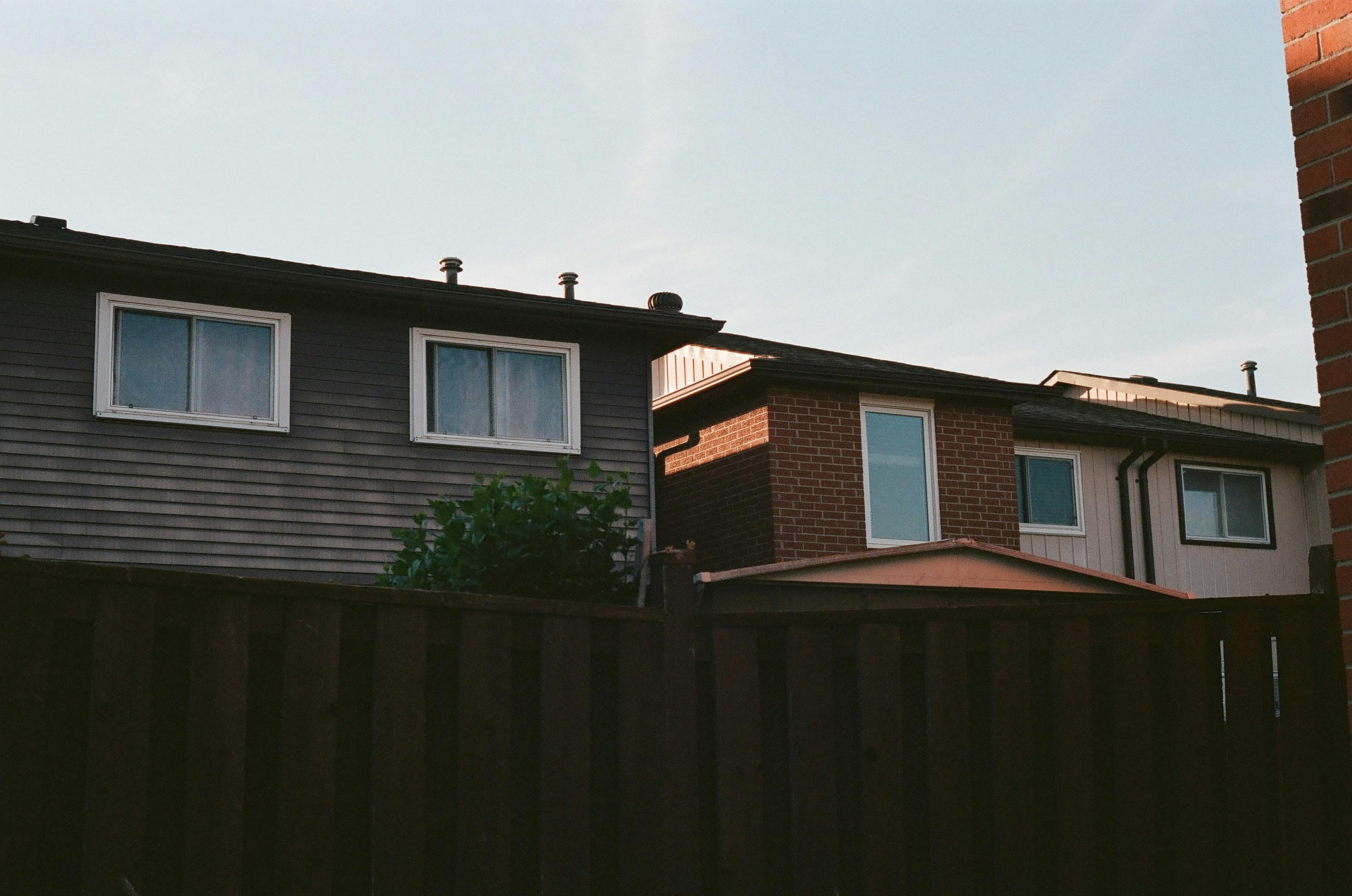
Certain lots are especially promising for a multiplex conversion:
Corridor lots where zoning changes allow larger multiplex buildings, sometimes up to 8–10 units.
Inner-city lots with older single homes on valuable land.
Standard suburban lots that now allow 3–4 units under new neighbourhood zones.
These areas often have a strong demand for missing middle housing, helping address the city’s housing crisis while supporting gentle density in low-rise residential areas.
Biggest Risks and Tradeoffs
Even with the new rules, multiplex conversions come with challenges:
Construction and financing risk: Projects need a larger upfront investment and careful budgeting.
Development complexity: Buildings must still meet building height limits, minimum parking standards, zoning rules, and servicing requirements.
Market timing: An increase in supply in some neighbourhoods could affect resale values or rental income.
Lifestyle tradeoffs: Owners must decide if they want to manage tenants, become developers, or sell finished units individually.
Converting a home into a multiplex can significantly increase value, but it works best with a clear development strategy, not just a typical renovation plan.
How Greenlight Can Help You Make the Most of Your Property
Ottawa’s new zoning by-law can feel confusing, especially if you’re thinking about turning your home into a multiplex. Every lot has its own quirks, like rules about units, parking, and building size, and it’s easy to get stuck in the details.
If you want to see what’s actually possible, Greenlight Renovation can check your zoning, sketch out units that make sense for your lot, and walk you through permits, density, and all the little rules so nothing catches you off guard.
With a bit of guidance, your ideas can turn into a home that works for you and fits the neighbourhood. Reach out, and let’s figure it out together.
FAQs
Missing middle housing includes smaller multi-unit buildings like triplexes, fourplexes, and multiplexes that fit within low-rise residential areas. The new zoning by-law supports these types of buildings to add more housing without changing the look and feel of the area.
The new zoning by-law allows eliminating parking minimums in some areas. Many projects now have minimum parking standards reduced, giving owners more flexibility when planning residential units near transit or in urban areas.
Most low-rise neighbourhoods still have a maximum height of three storeys, though certain areas allow up to four storeys. The rules vary depending on existing neighbourhoods, lot size, and zoning provisions.